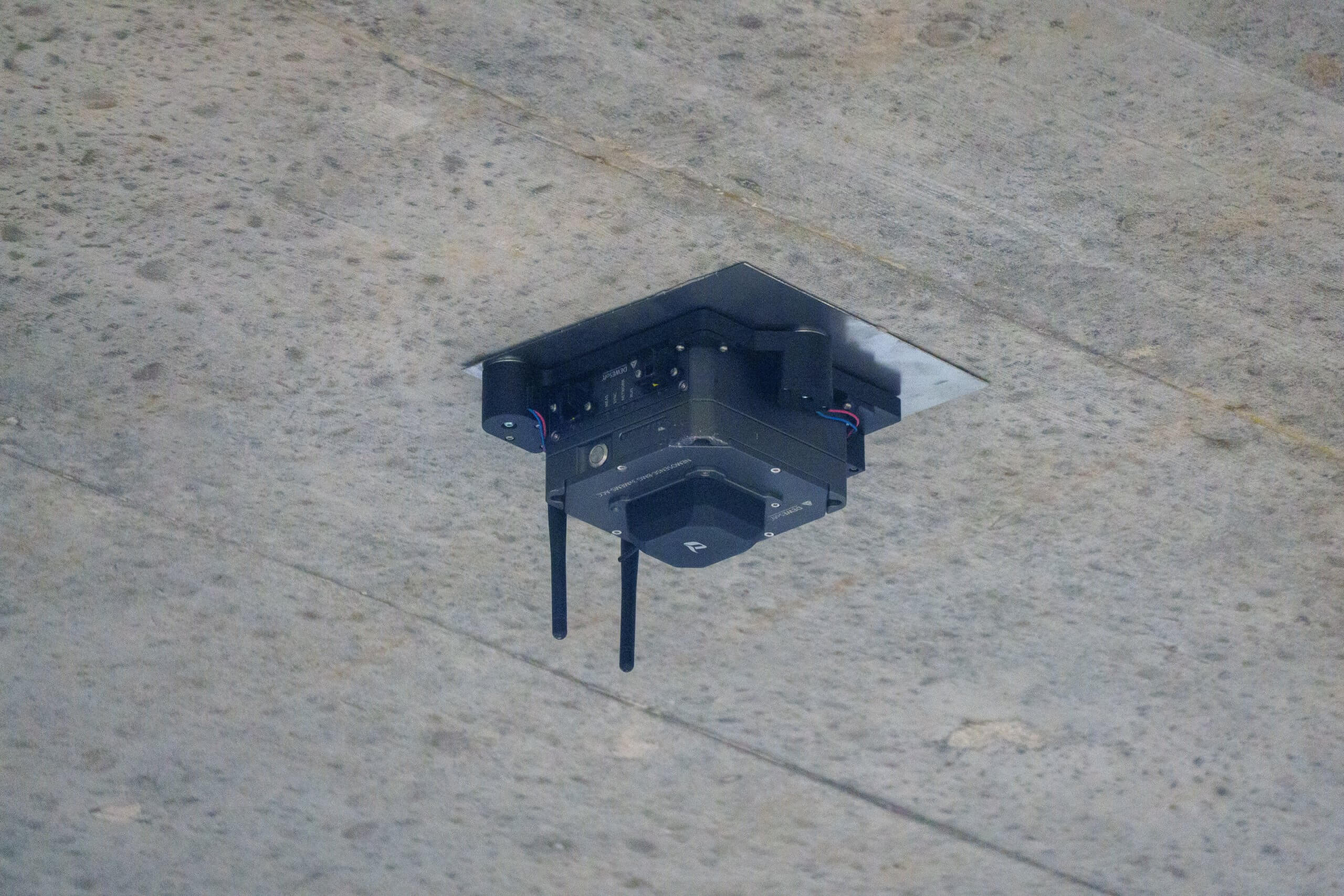
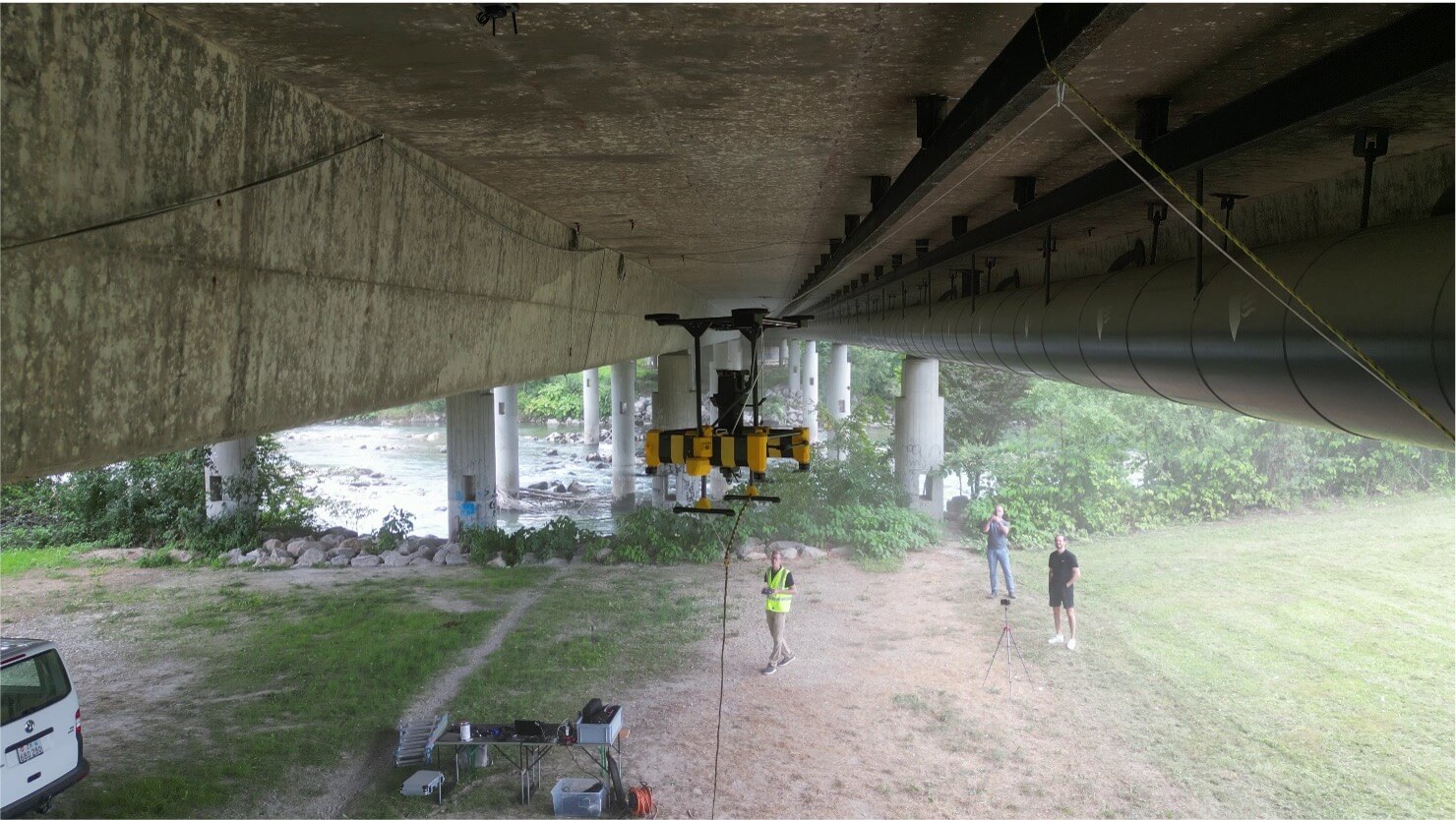
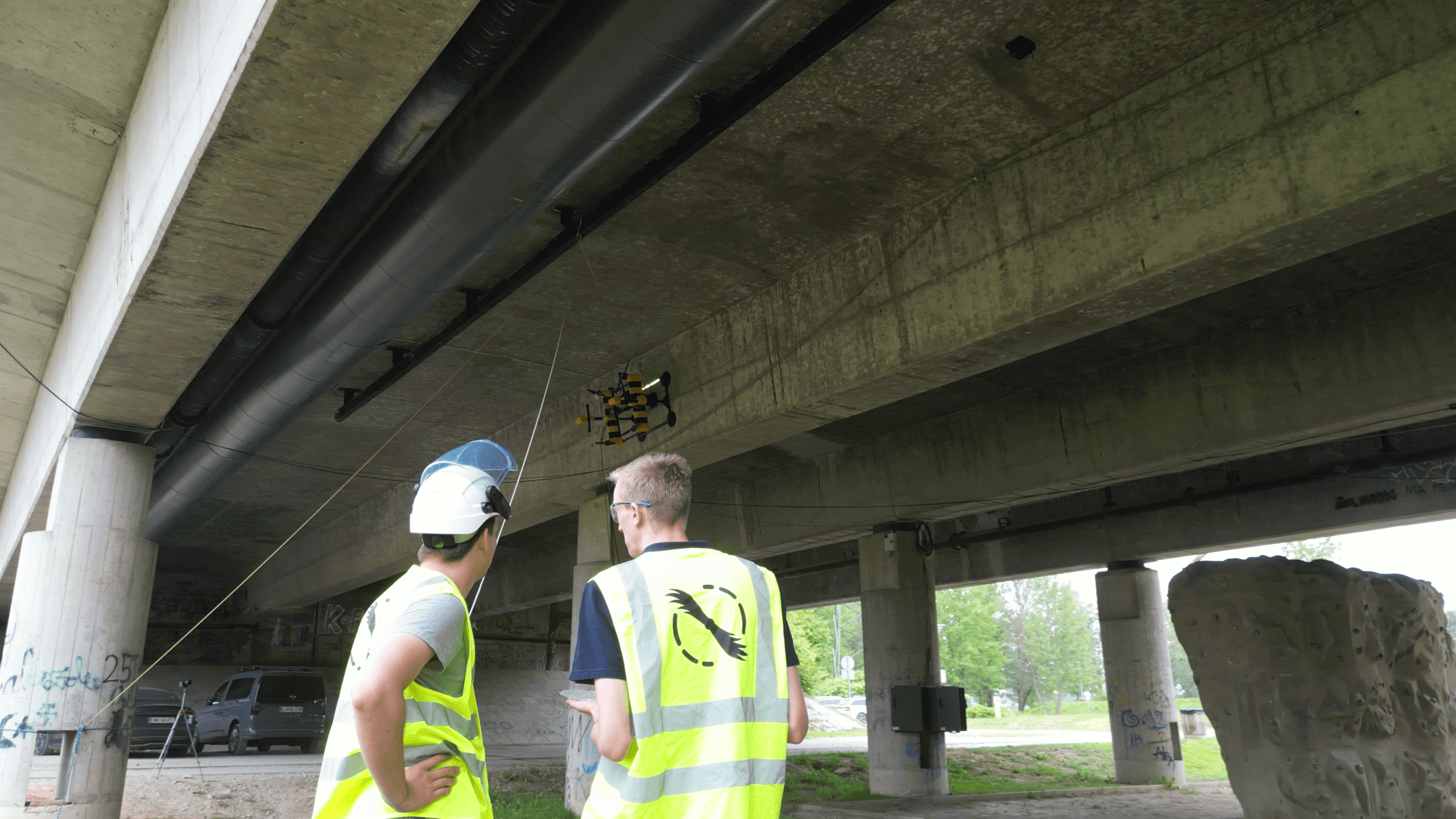
Asset monitoring is essential to ensure the safety and reliability of aging infrastructure, by providing real-time information on the behaviour and condition of an asset.

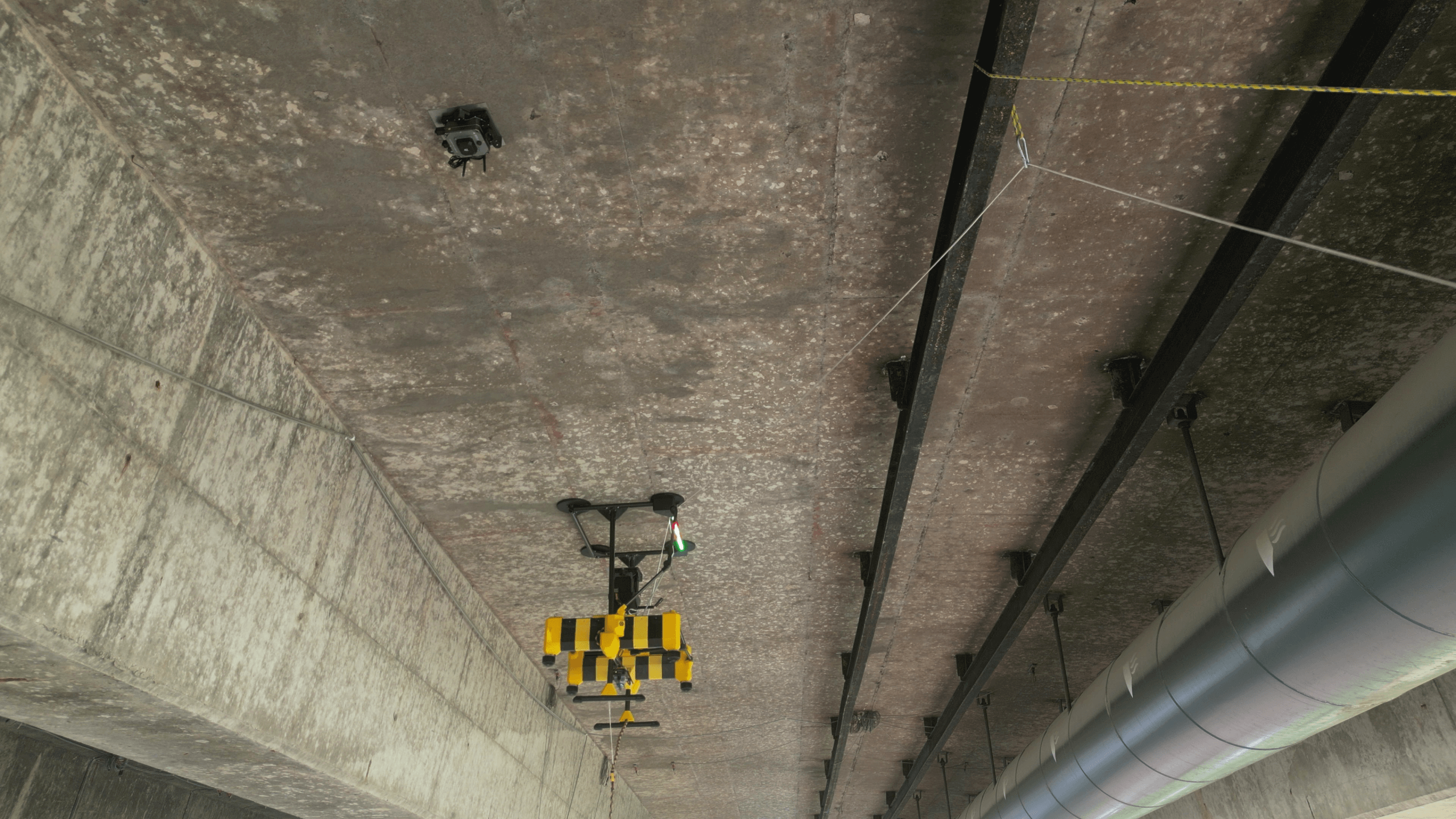
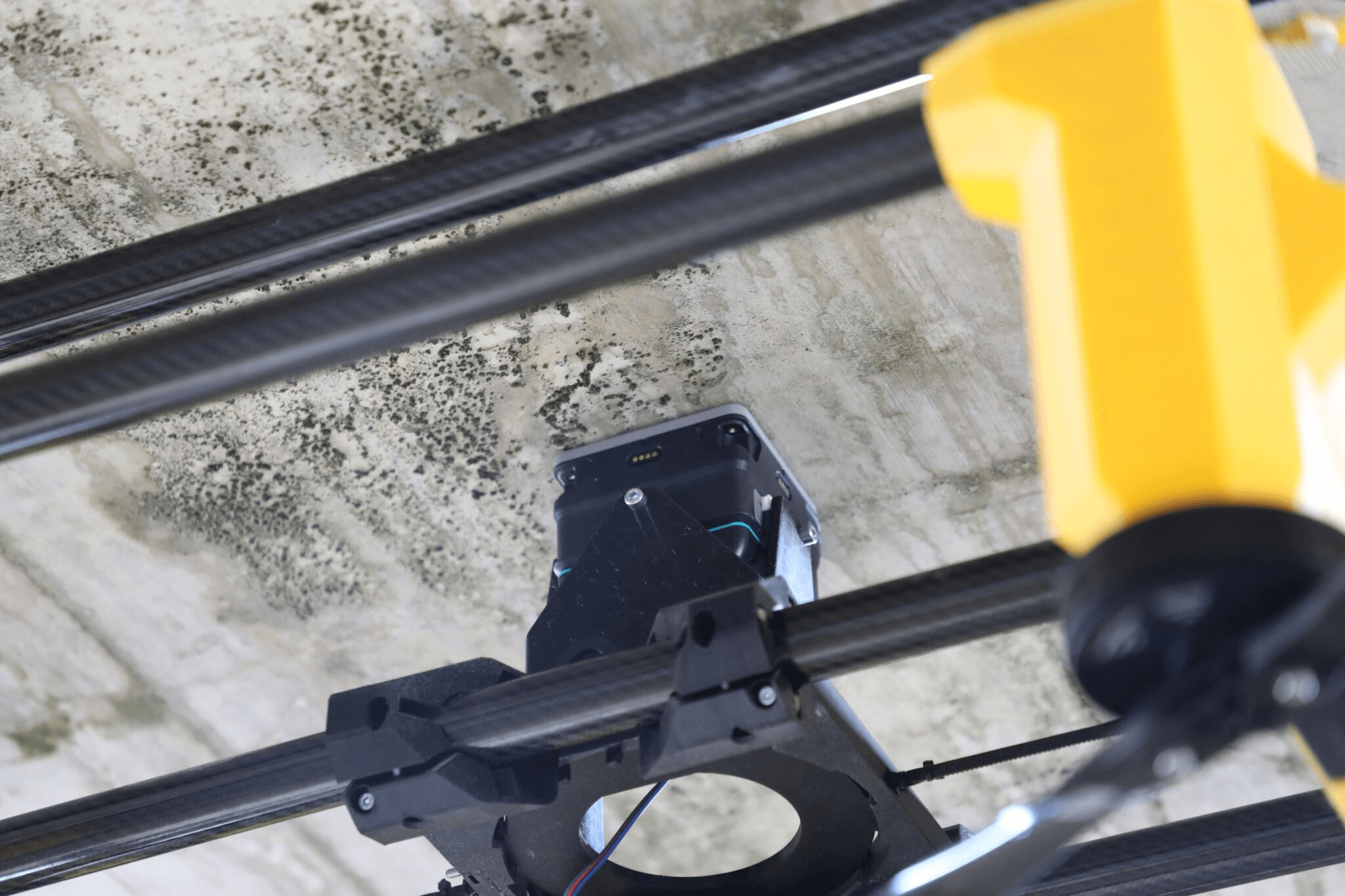
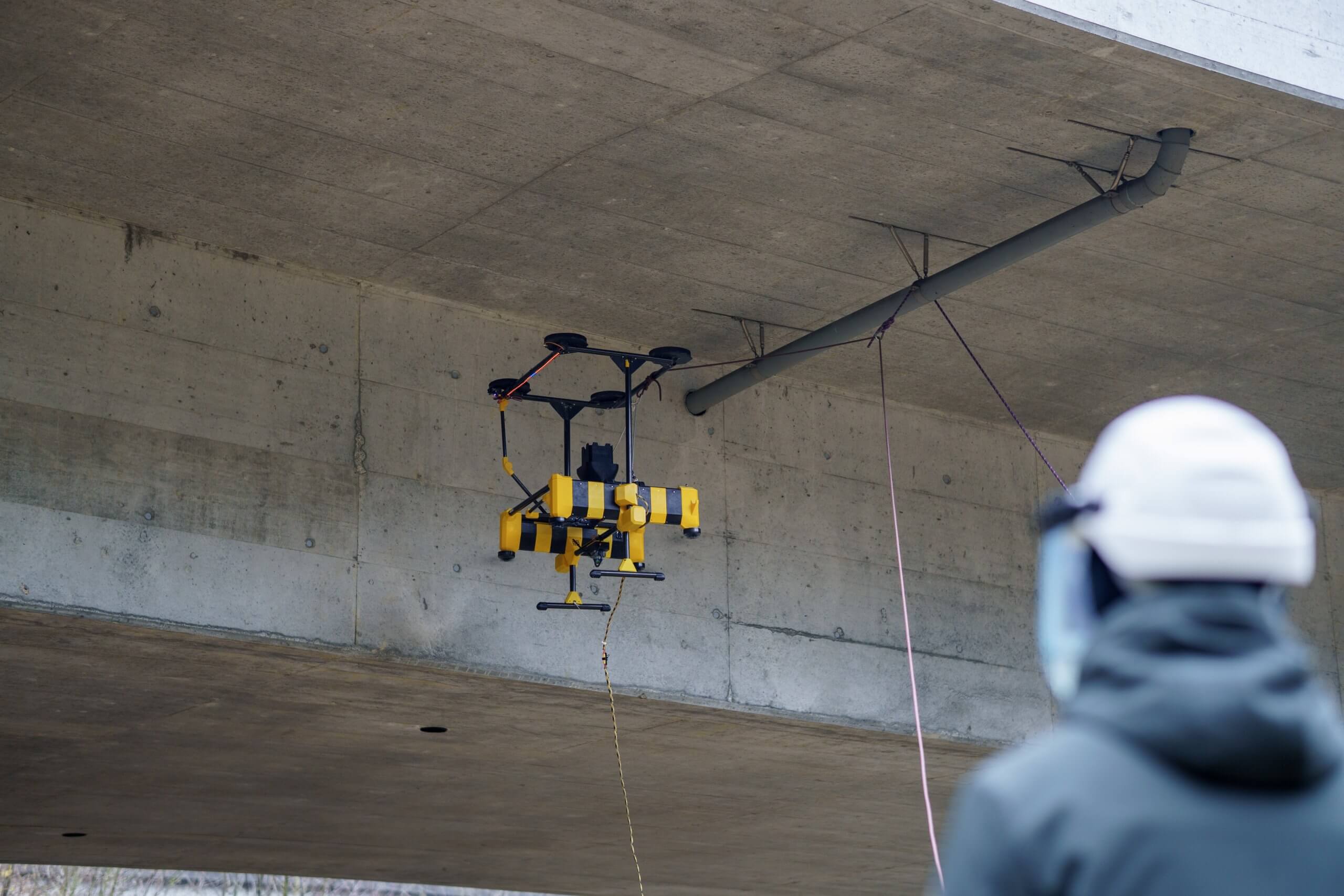
Traditionally, this has required dangerous manual access via rope teams or snooper trucks to install and maintain IoT devices. With Aithon, this work can be done with minimal asset downtime and high flexibility for many types of sensors.

Mission results

Cost Savings

The mission was performed with 75% less manhours and without any fees for lane closure or traffic impact.

Zero lane closures

During the entire mission, the traffic was not slowed down due to installations.

High-precision placement

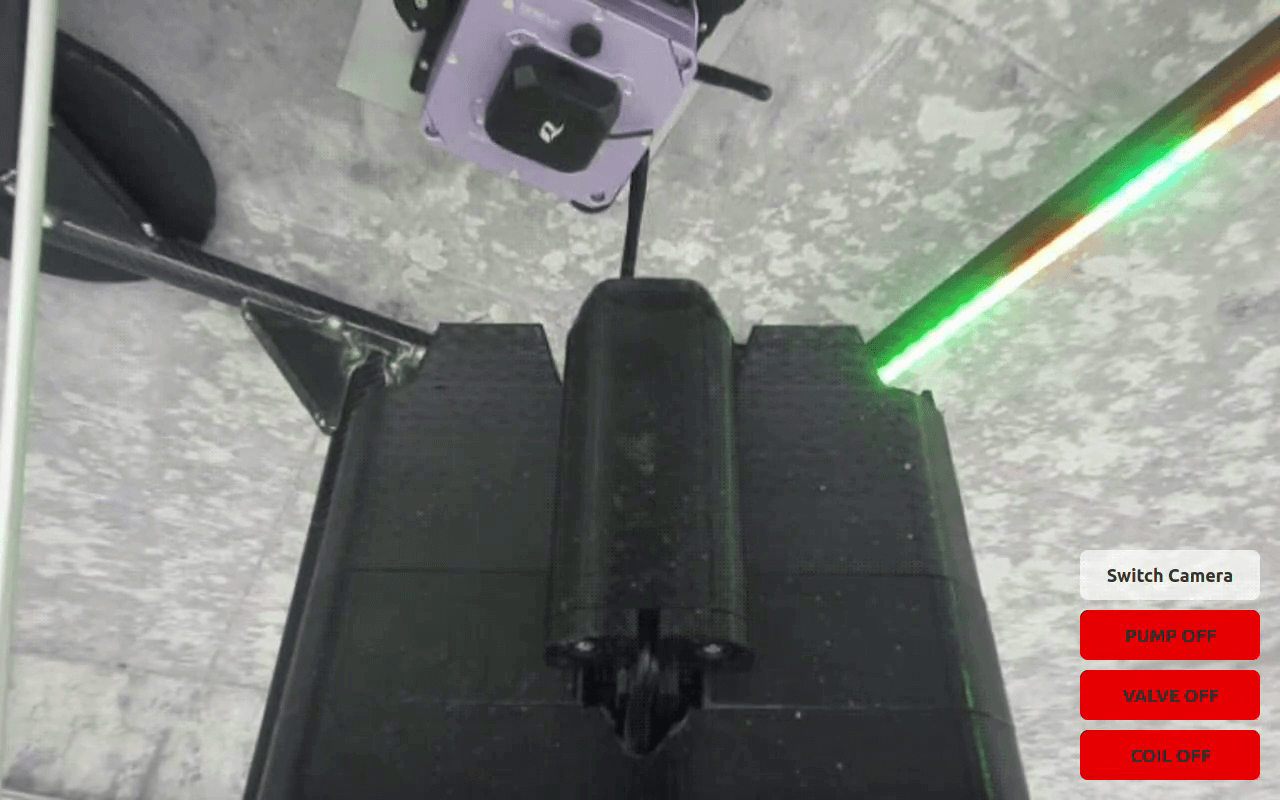
On the soffit, sensors can be placed without considering other factors – maximizing data quality while minimizing the impact on nominal operations.

Frequently asked questions for drone-based sensor installations

Any sensor up to 2.5kg in weight can be installed, this includes structural health monitoring (e.g. accelerations, deflections), environmental (e.g. temperature, humidity) or local (e.g. crack-meter) installations.

In most cases, these sensors can be installed adhesively or magnetically, ensuring the asset is not damaged.

We provide a more flexible and safer access solution. This results in minimal asset downtime and increased operational efficiency, as well as saving costs directly by typically requiring less manhours and less expensive equipment.

From a monitoring perspective, we can optimize the location of sensors to get better data with less sensors.

Depending on the sensor and installation method, the sensor can be replaced easily. This is in particular useful for short-term monitoring of less than a week, where we can reposition sensors along an asset based on your needs.
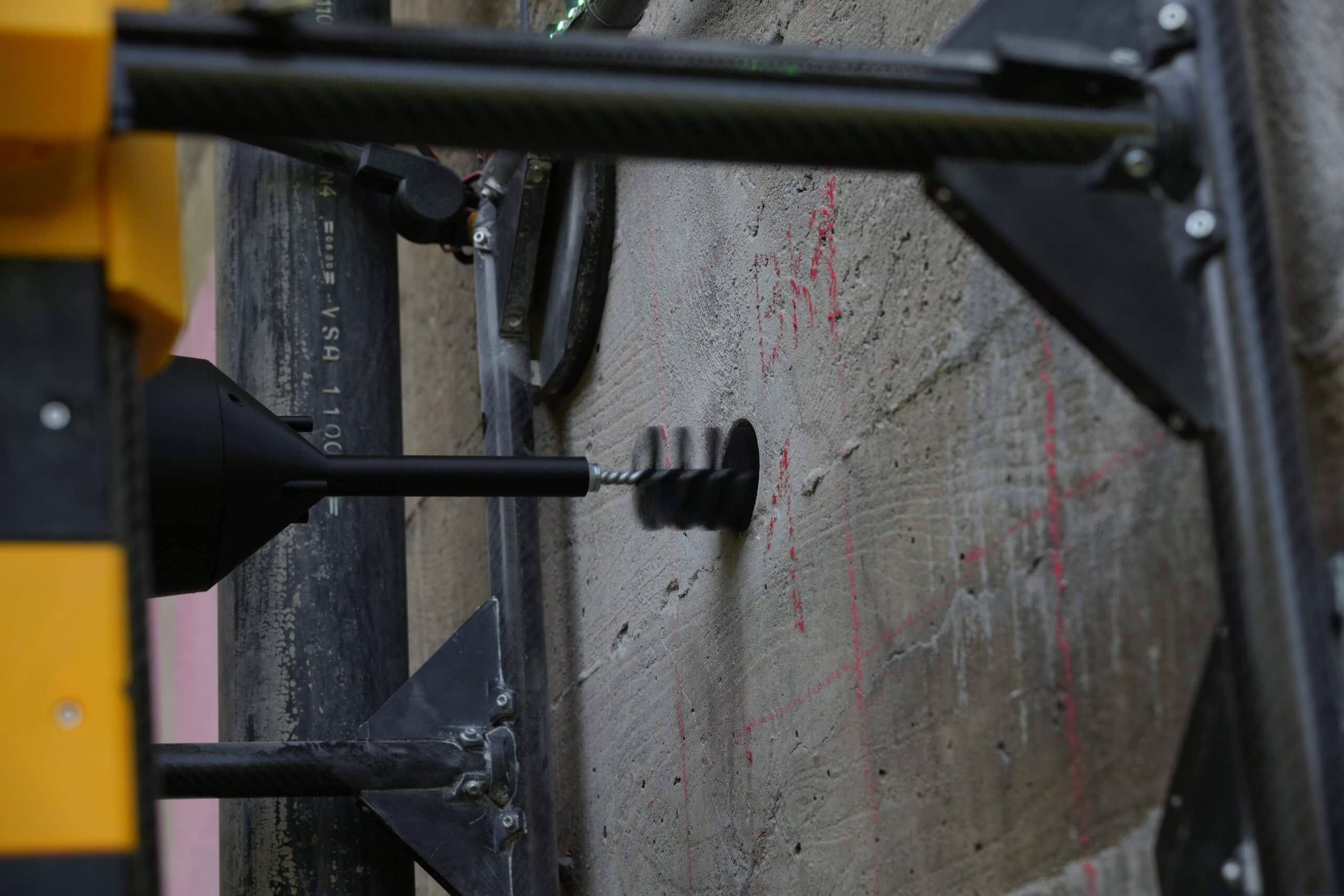
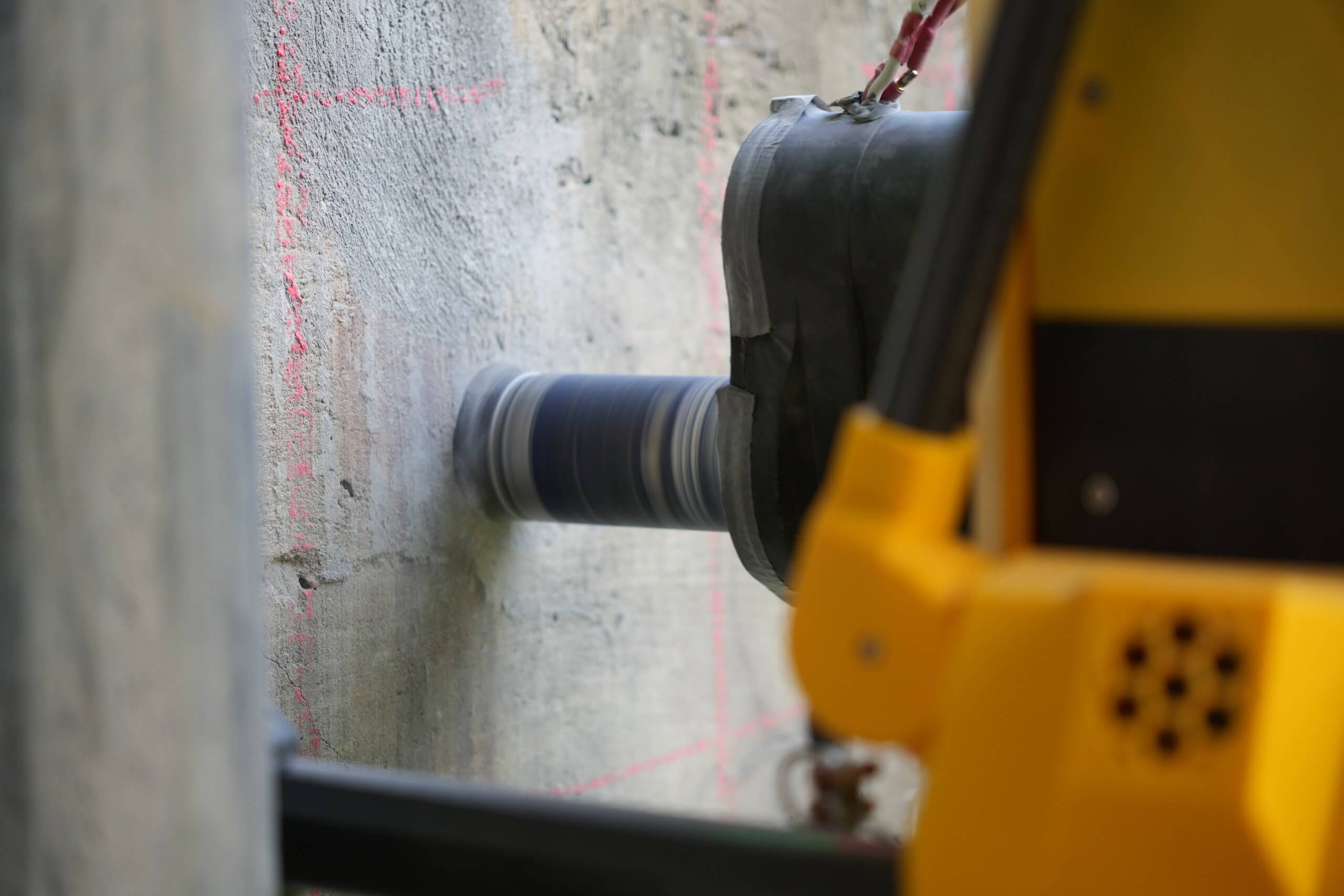
Core sampling is the gold standard for concrete inspections – AITHON makes this possible without asset downtime, without endangering workers, and without compromising on results.
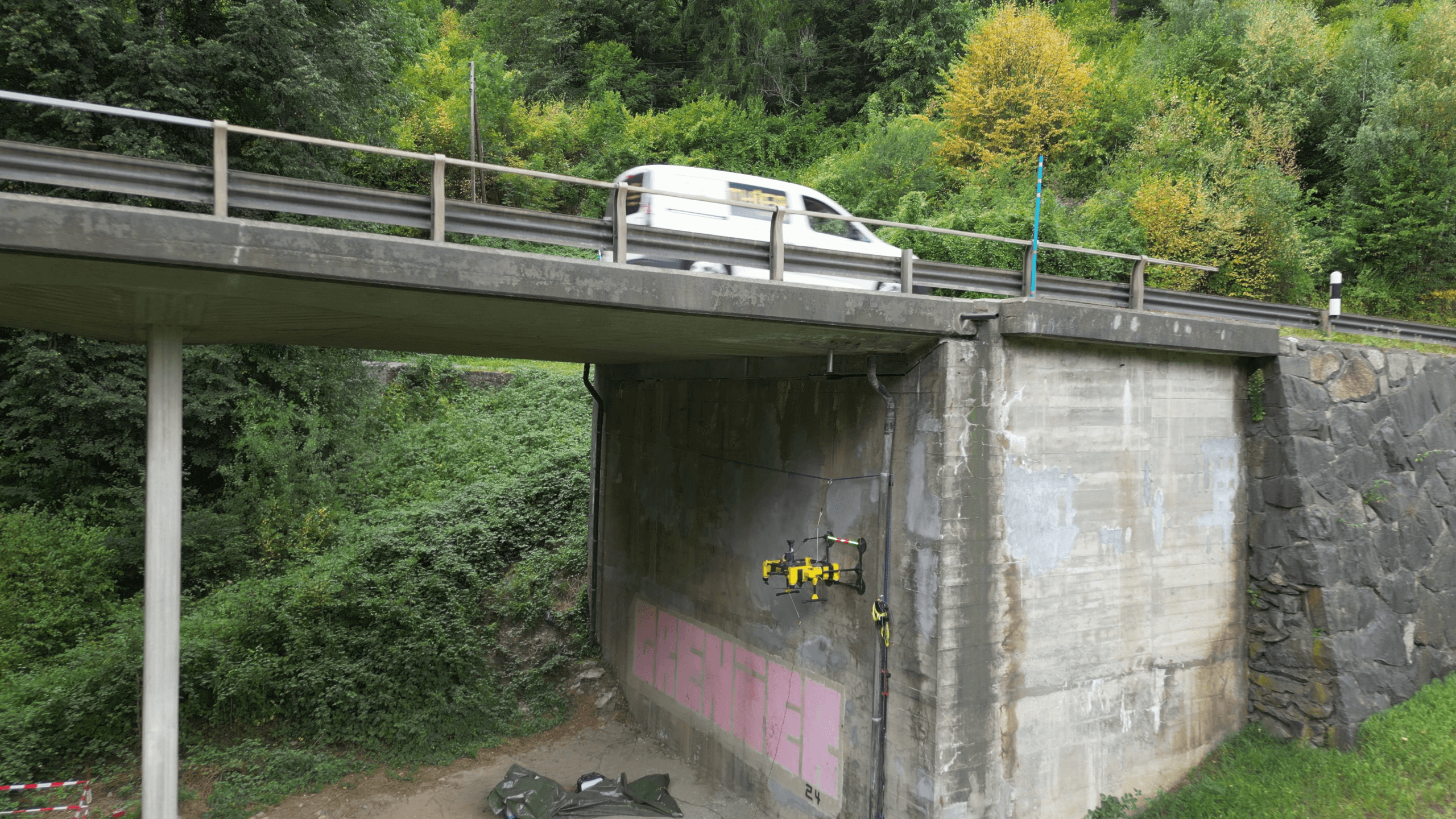
Our technology allows for the safe and precise extraction of concrete core samples at hard-to-reach locations — no scaffolding, no rope access.

The mission in short

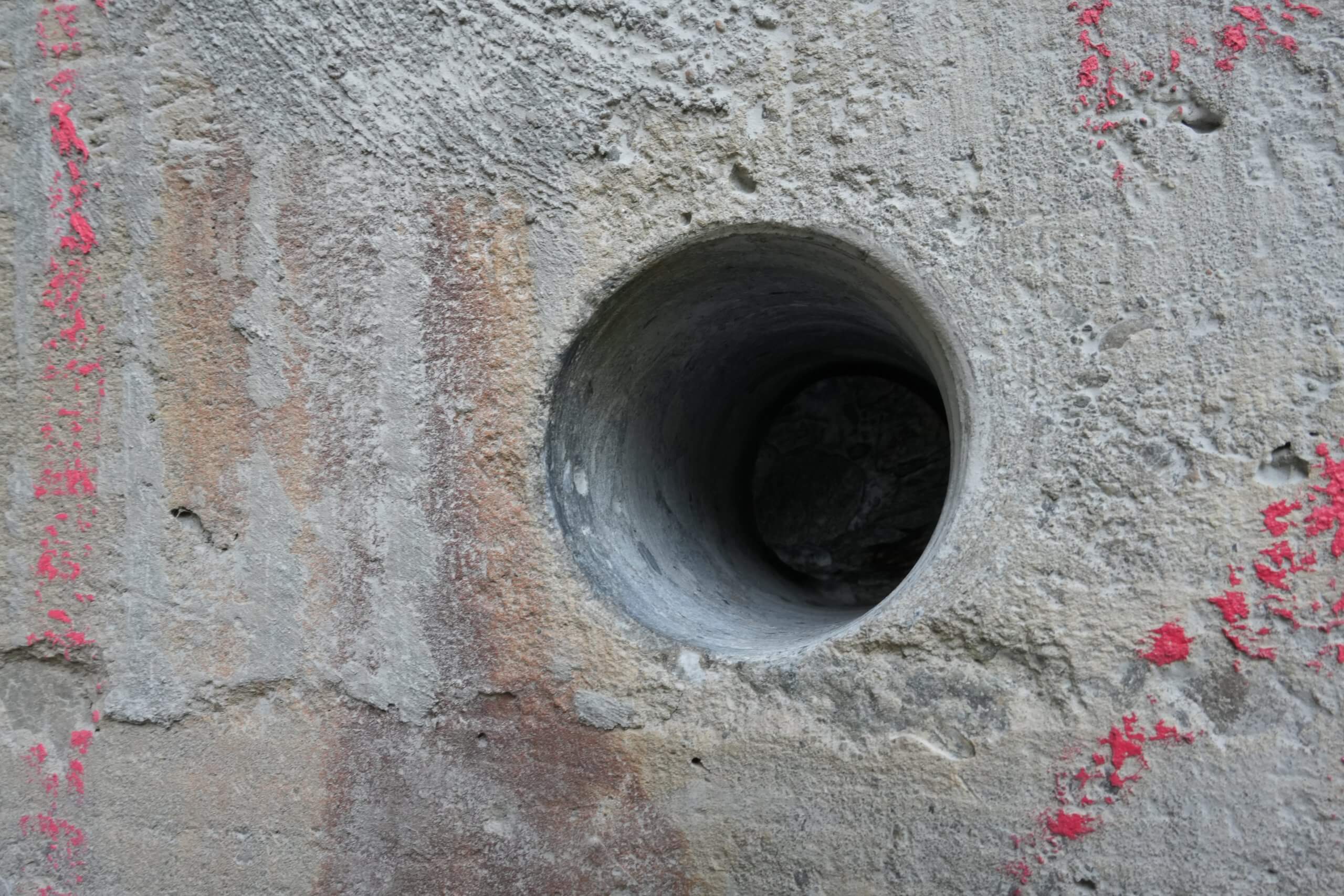
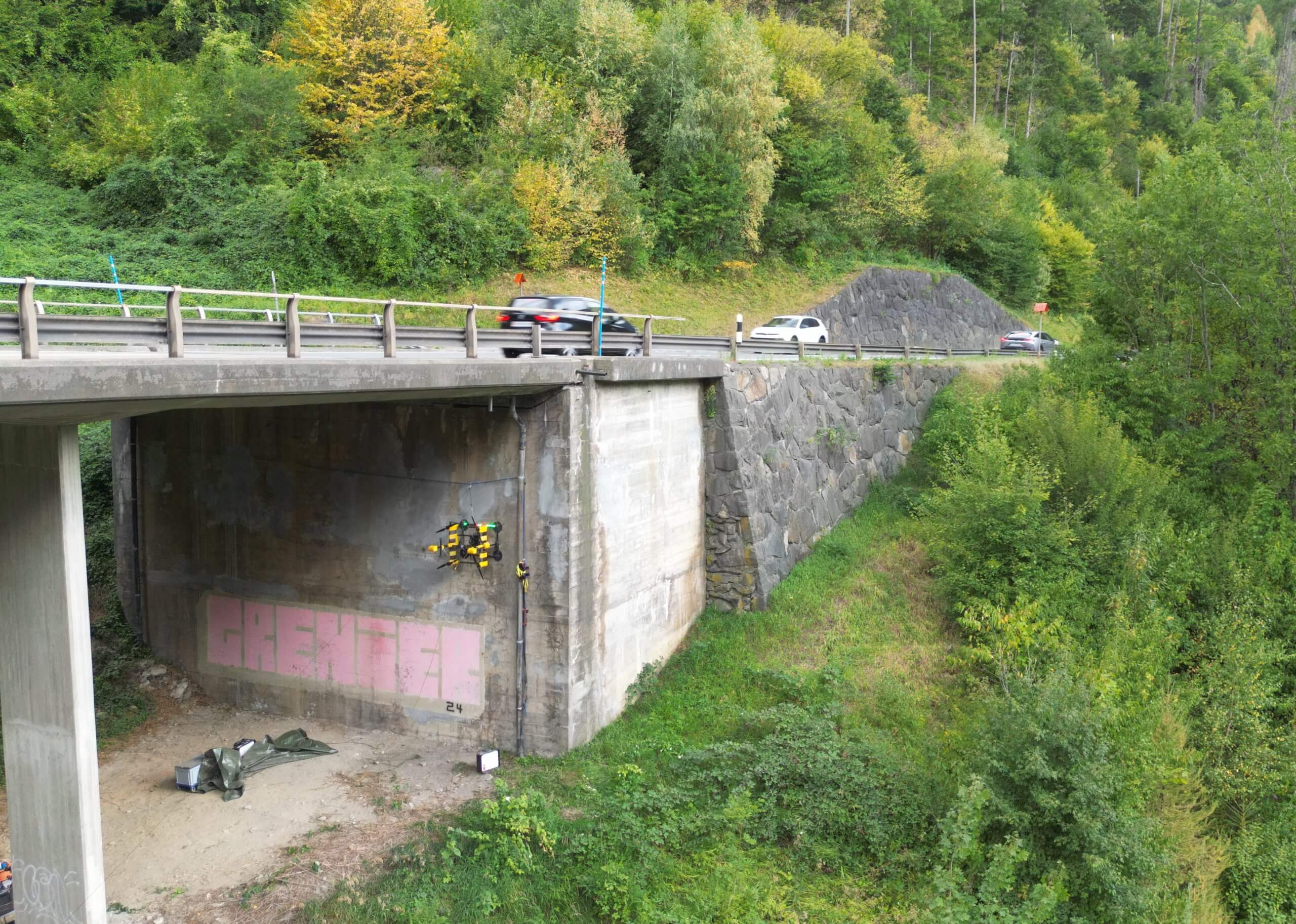
At a highway bridge in the mountains, critical locations for corrosion were identified. To continue safe operation, ground-truth samples from the asset were required. With AITHON, these samples were extracted without closing the road and in the same time as it would have taken human workers. The resulting cores were sent to lab testing for chlorides and carbonation.

Frequently asked questions for drone-based core sampling

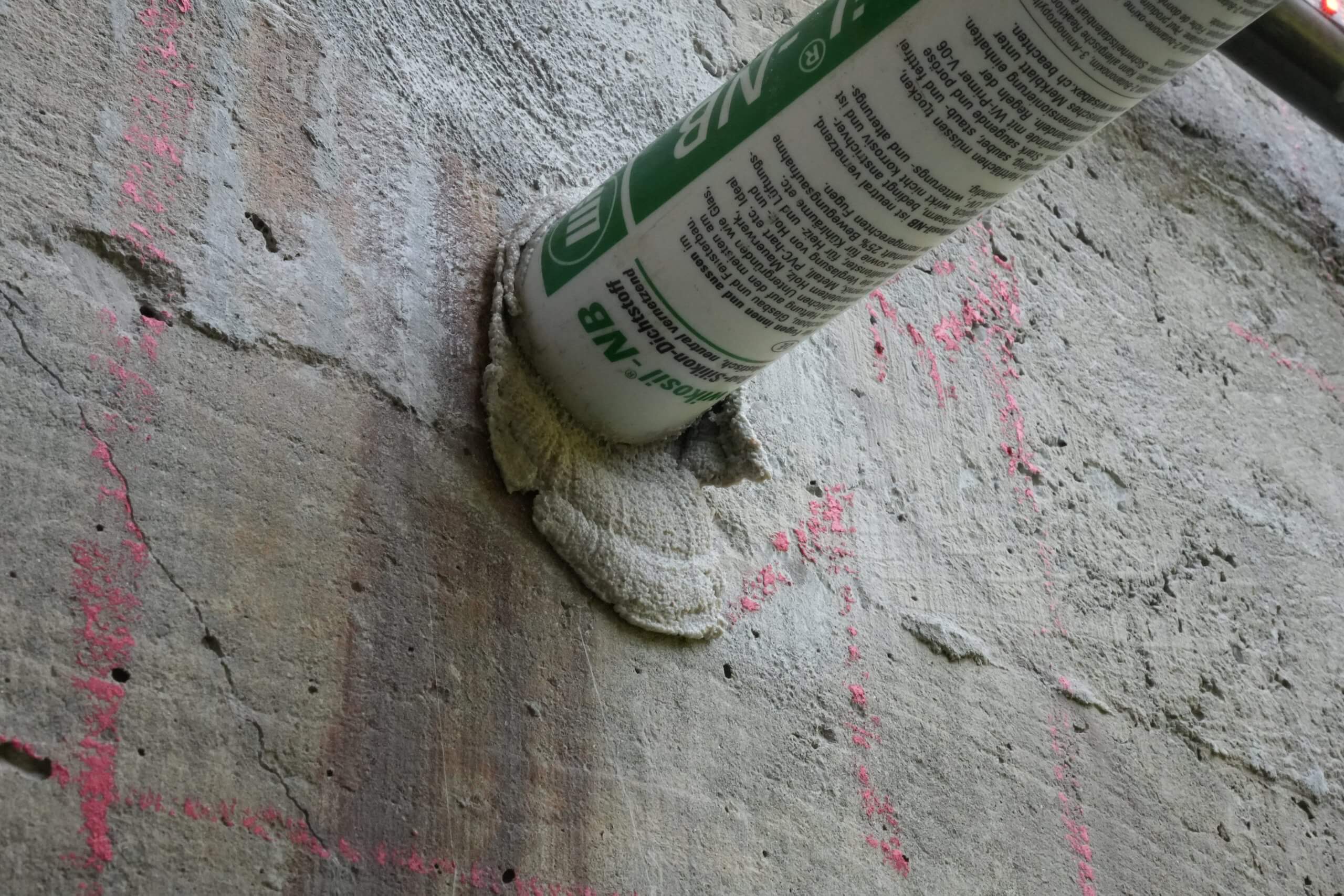
Core sampling is a multi-step process, with three phases: preparation, extraction, reinstatment. In preparation, a scan of the worksite can be performed to prevent damaging rebars, or to gain more information on the site. Extraction involves drilling the core and removing it from the asset. Reinstatement is the cleanup of the hole and refilling it such that water ingress is prevented.

AITHON can perform all of these steps, but not all are necessary always. Get in touch to see how drone-based core sampling is best used for your situation!

Core sampling can damage structures, if not done carefully, by damaging rebars or providing a location for water and contaminants to enter the material.

By scanning for rebar and other structures prior to drilling, as well as grouting the hole after core extraction, the asset stays in good condition.

AITHON can extract concrete cores up to 80mm in diameter and 200mm in length. Depending on your specific application, this can be modified.

While many other methods exist to assess infrastructure assets, core sampling provides a unique perspective, by giving an in-depth insight into the material from the asset and location of interest. In many cases however, limited access leads to guesswork and ineffective measures being decided upon. With AITHON, you can get the full picture at critical locations on assets, greatly improving the quality of your work without costing more or endangering workers.

Non-destructive evaluation is crucial during asset inspection, as many defects cannot be seen on the surface. However, getting high-quality data at critical locations is challenging for asset operators and inspection workers alike.

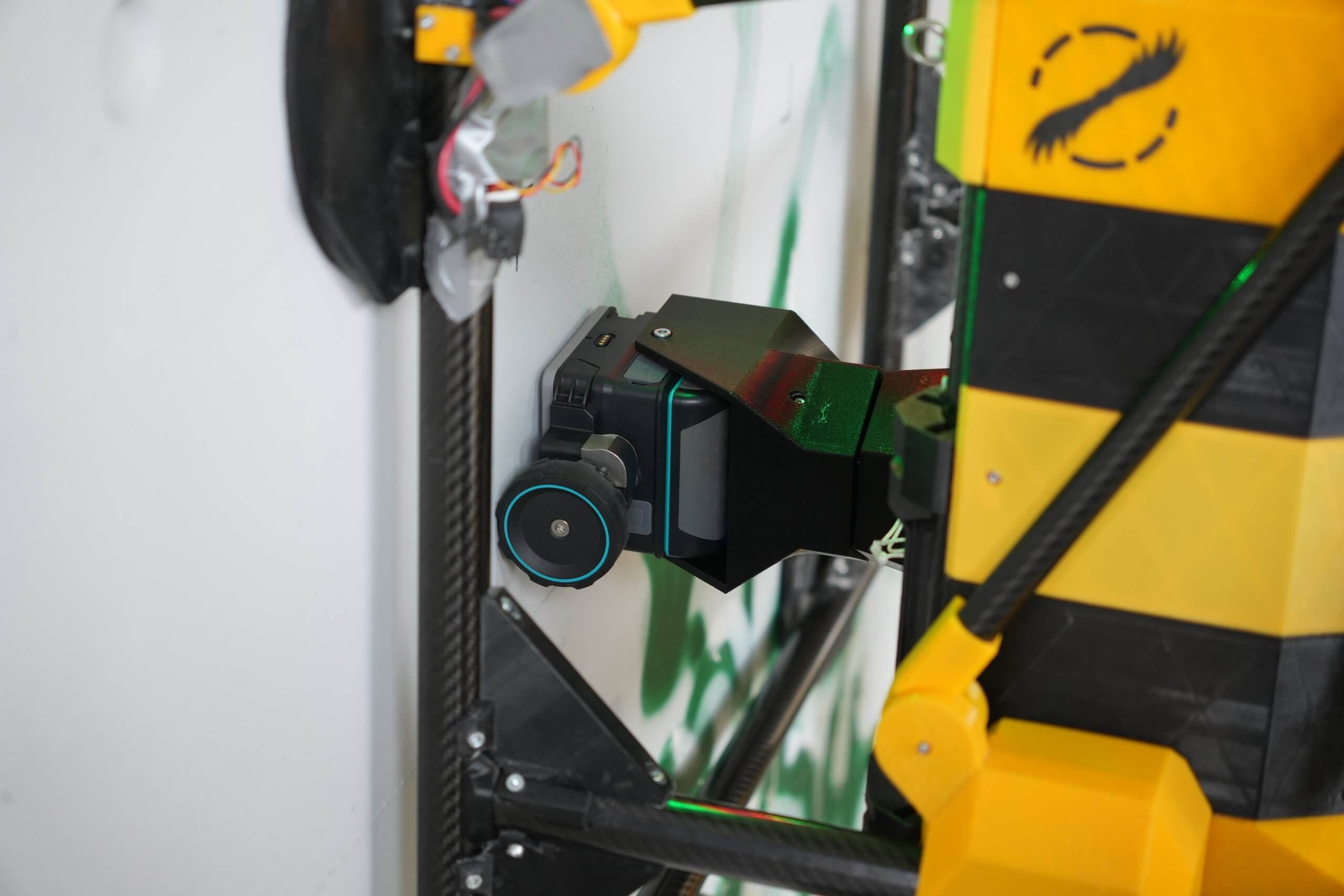
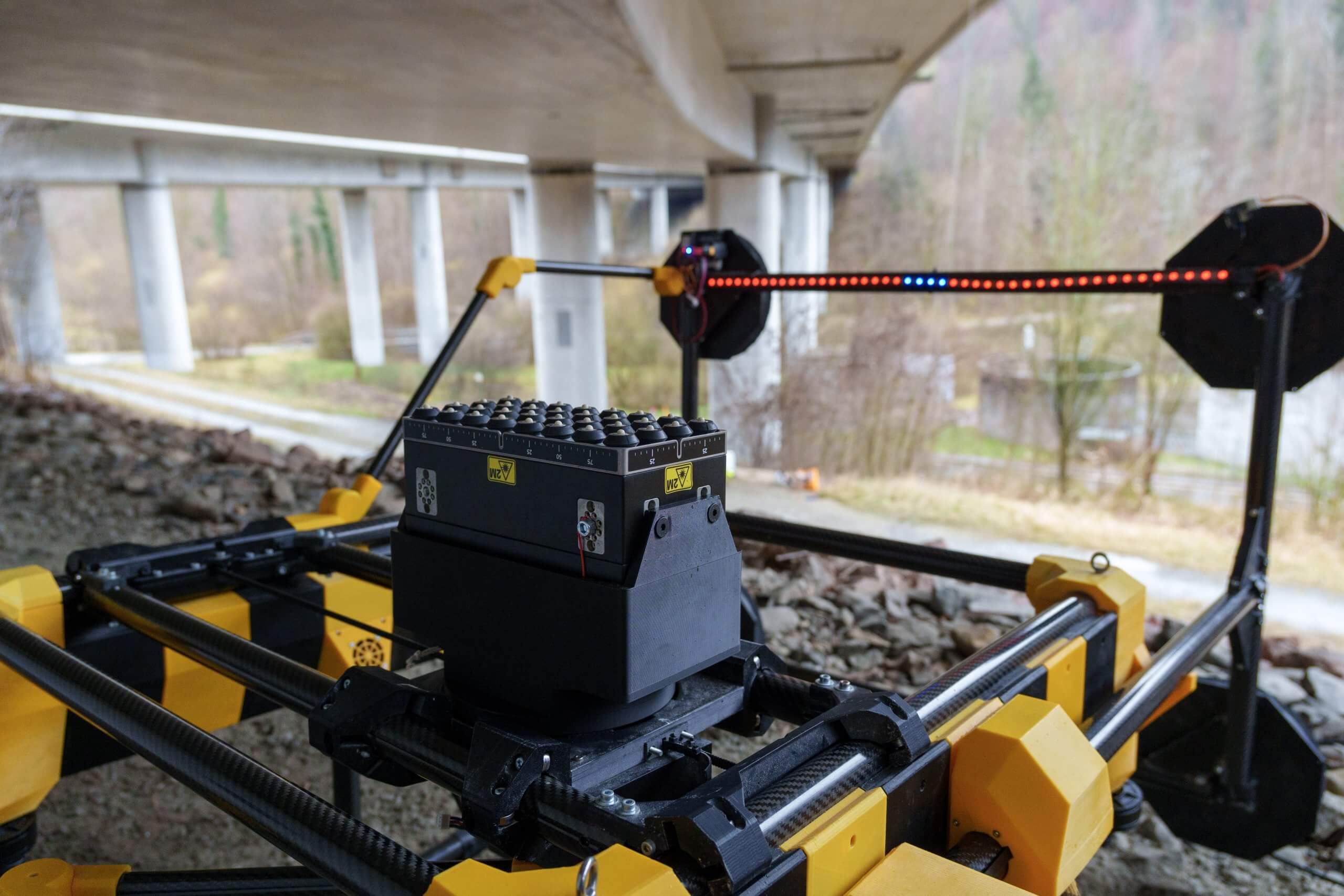
By using state-of-the-art methods and having full interaction capability, compromising on data quality due to limited access is a thing of the past. On our platform we can deploy common NDE payloads including ground-penetrating radar (GPR) and various types of ultrasonic tomography (UT).

The mission in short

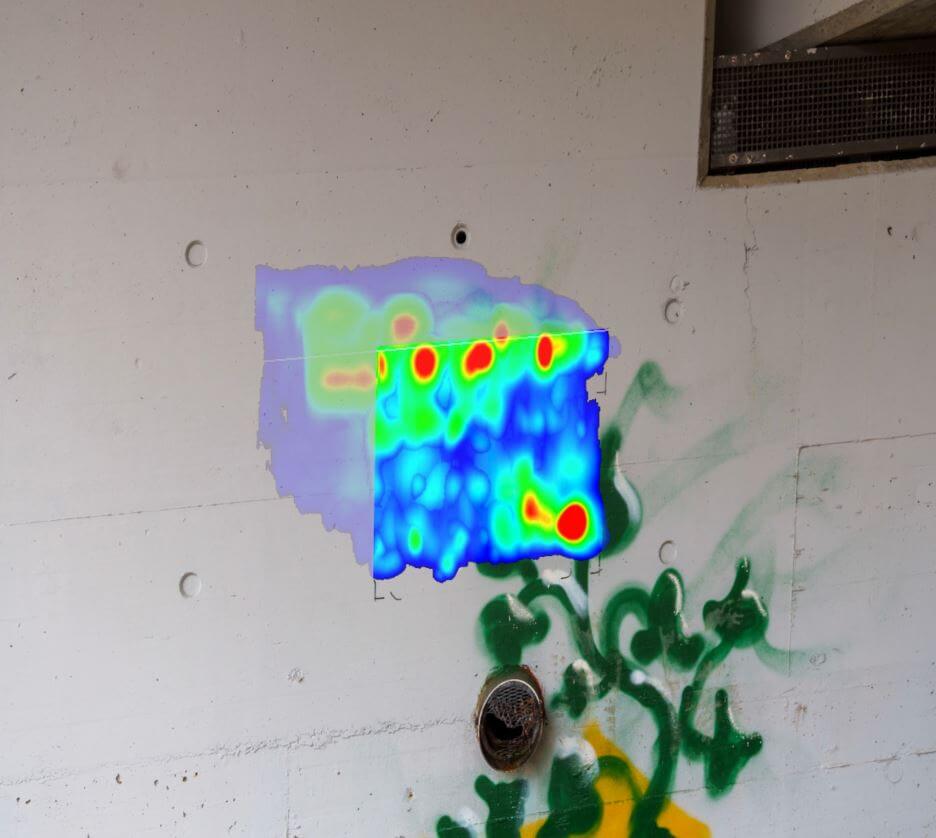
On a highway bridge, GPR and UT data was collected at the same location. This combination simplified interpretation, as each method has unique advantages. On the AITHON drone, state-of-the-art sensor payloads were used to collect the highest possible data.

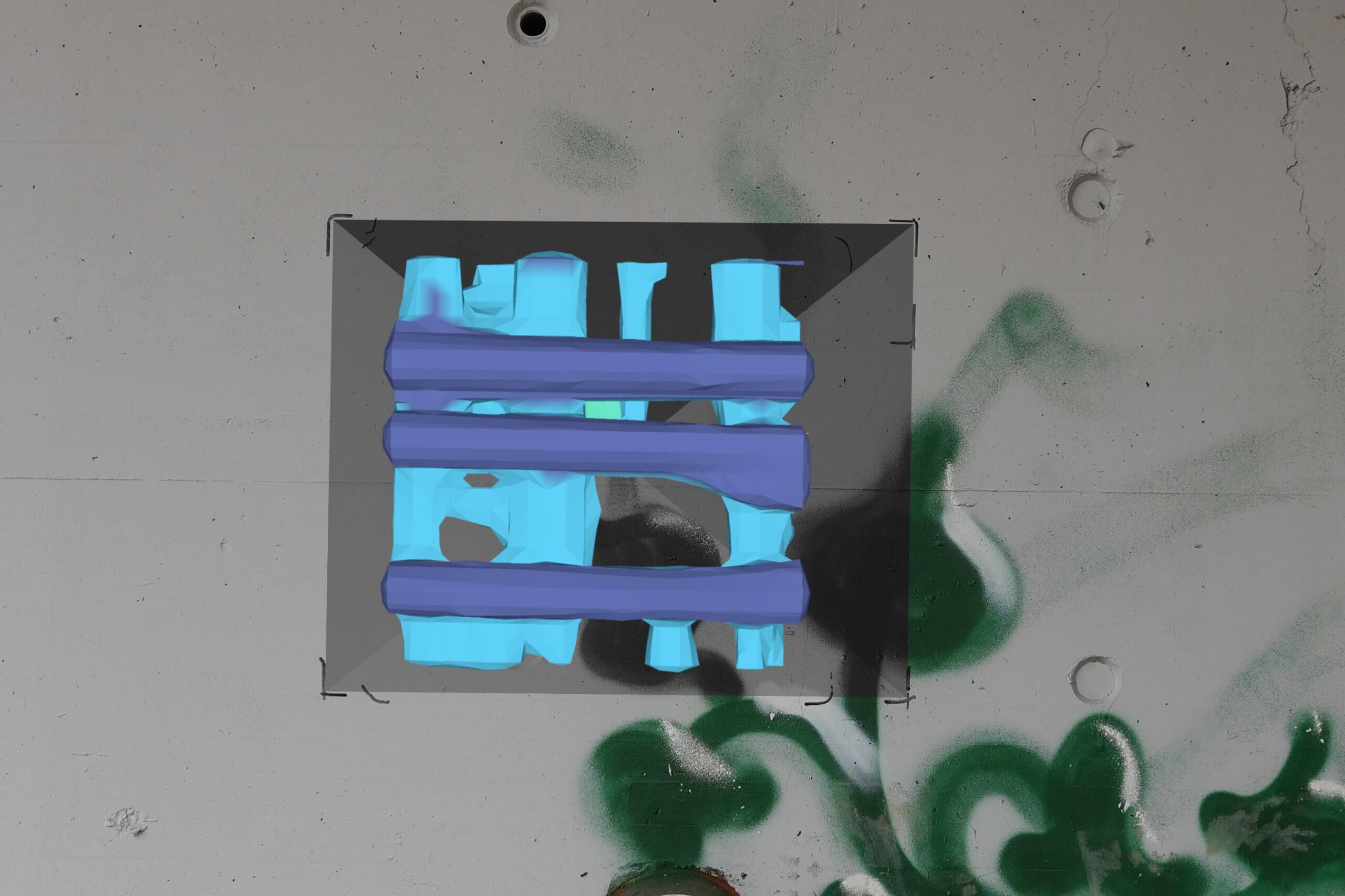
For ground-penetrating radar, area-scans were performed, giving 3D information on the location of objects up to a depth of 65 cm. AITHON allows for high-precision repeatability of passes until sufficient data quality is collected. The same goes for ultrasonic tomography, which can penetrate deeper and is ideal for the detection of cracks, inhomogeneties and delaminations.

As a result, the combination allows for the localization of wanted and unwanted features within infrastructure, either to investigate the asset condition or as a preparation step for further work.

Frequently asked questions for drone-based NDE

Ground-penetrating radar and ultrasonic tomography are two of the most capable methods, but AITHON can also perform rebar localization and marking on-site.

In principle however, many different payloads can be adapted to work, get in touch if you have a particular tool you want to use!

By decoupling flight from interaction, a tool positioning system can ensure mm-level accuracy when collecting data. Further, area-covering scans can be done, with any level of resolution and with as many passes as needed.

Further, by using state-of-the-art sensor payloads, the post-processing of data can be done exactly the same way as with human data collection – saving time and money!

Non-destructive evalution is the second step of asset inspection, after visual inspection. The most significant advantage is the ability to see inside the material, as this is where many issues can be caught before they are seen on the surface.

High-performance tools can provide high-accuracy information in three dimensions, and with AITHON multiple data sources can be combined to maximize the benefit of each.